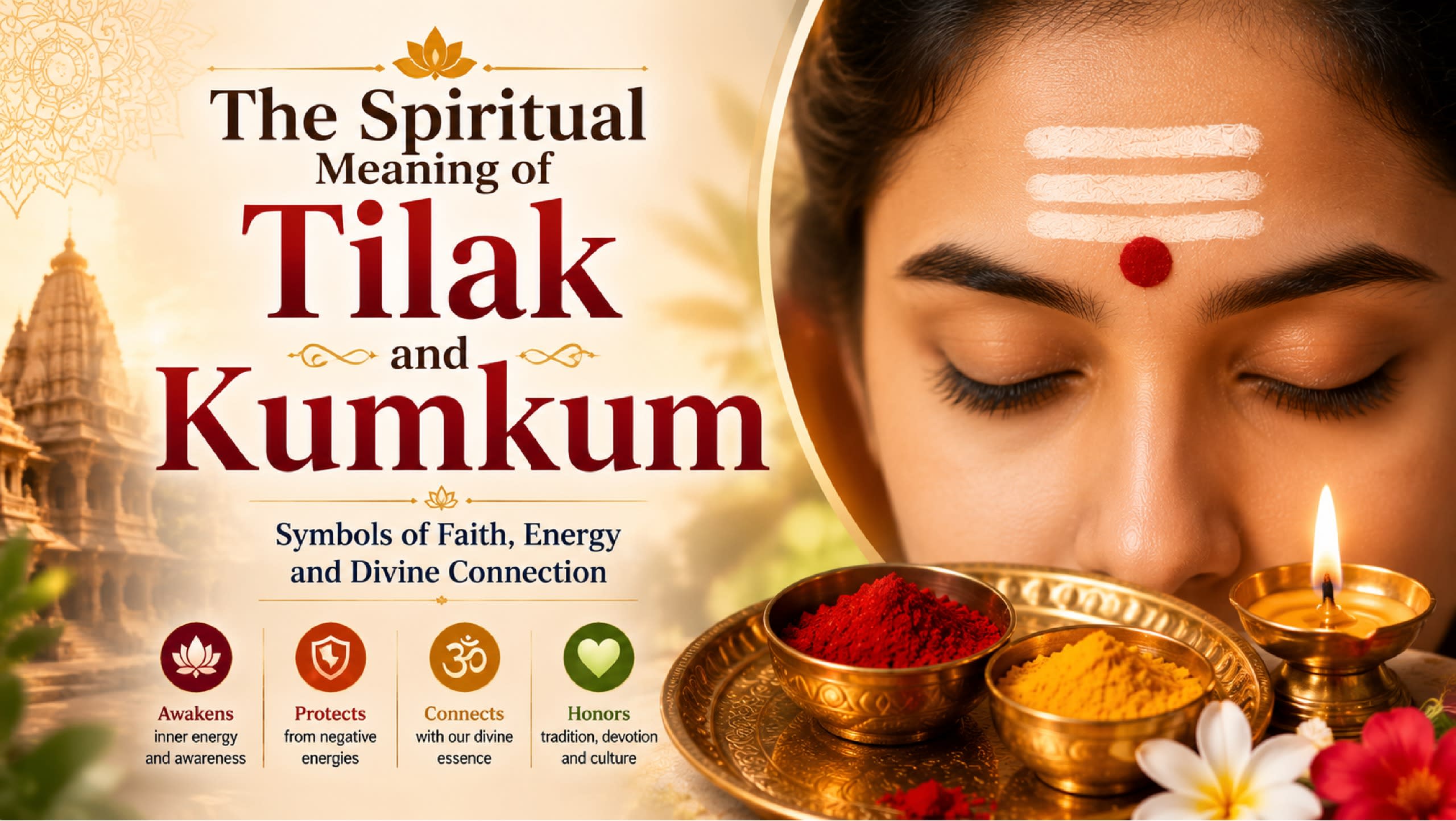
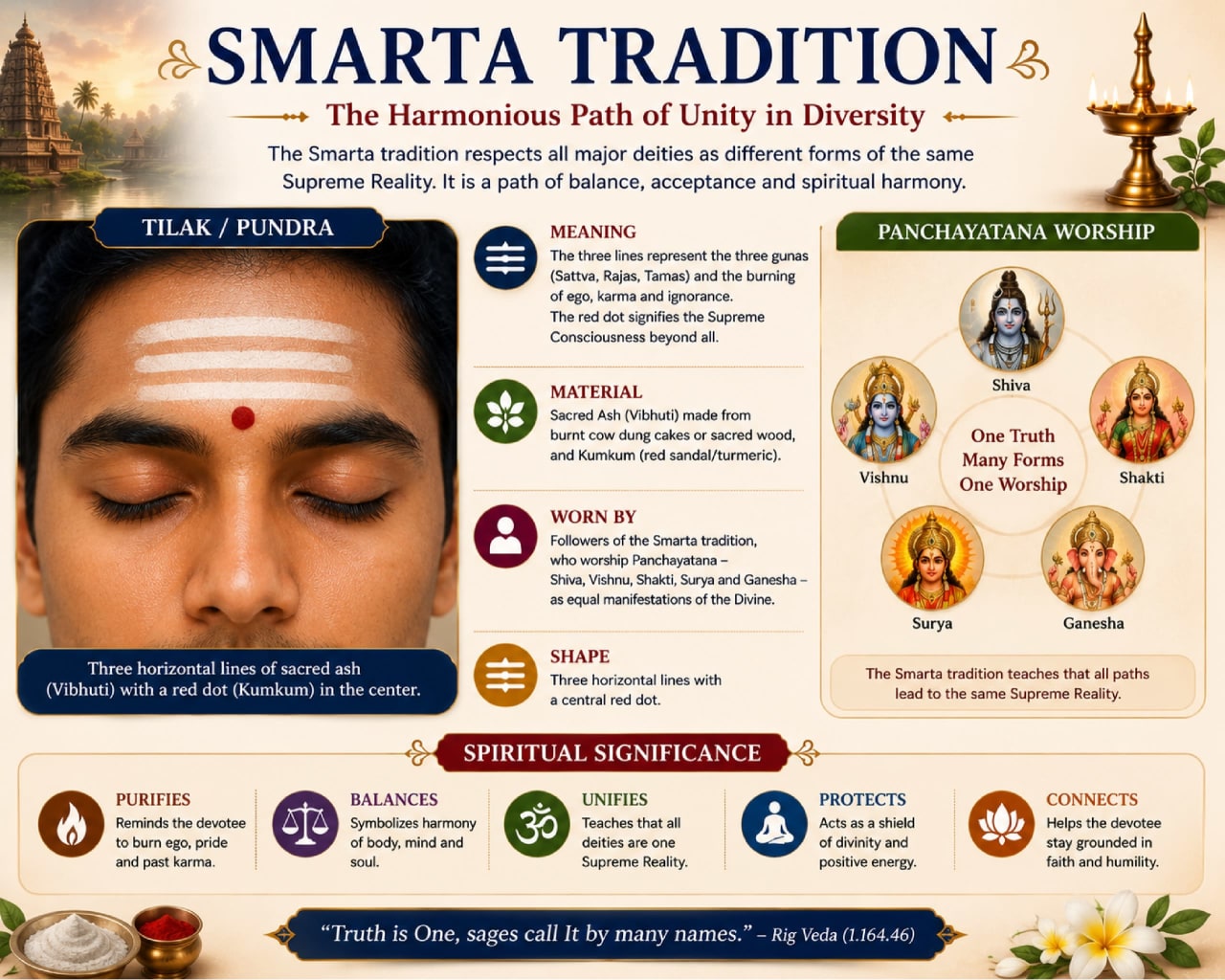
Walk into any Hindu home, temple or family function, and you will notice it almost immediately: a mark of red kumkum, white ash or sandal paste resting between the eyebrows. This is the tilak, and it is one of the oldest, most recognisable expressions of Hindu devotion. It looks simple, but very little about it is accidental.
In this guide we walk through where the tradition comes from, what the different marks mean, how tilak differs from kumkum, sindoor and bindi, the materials used across India, and how you can bring this practice into your own daily routine with understanding rather than habit alone.
Key Highlights
Tilak is the umbrella term for any sacred forehead mark; kumkum is one specific red powder used to make it
The mark is applied at the Ajna Chakra, the point between the eyebrows described in yoga as the seat of awareness
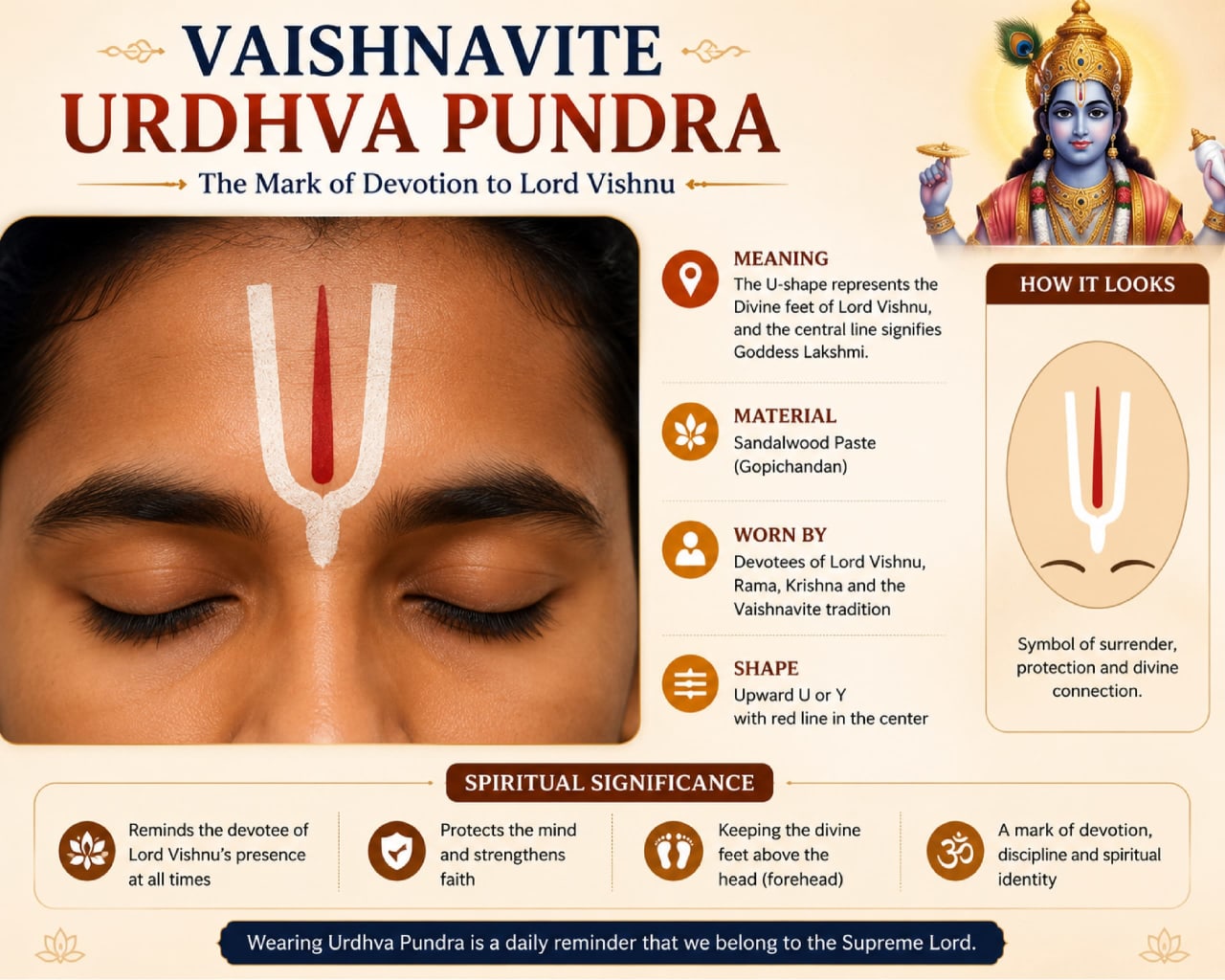
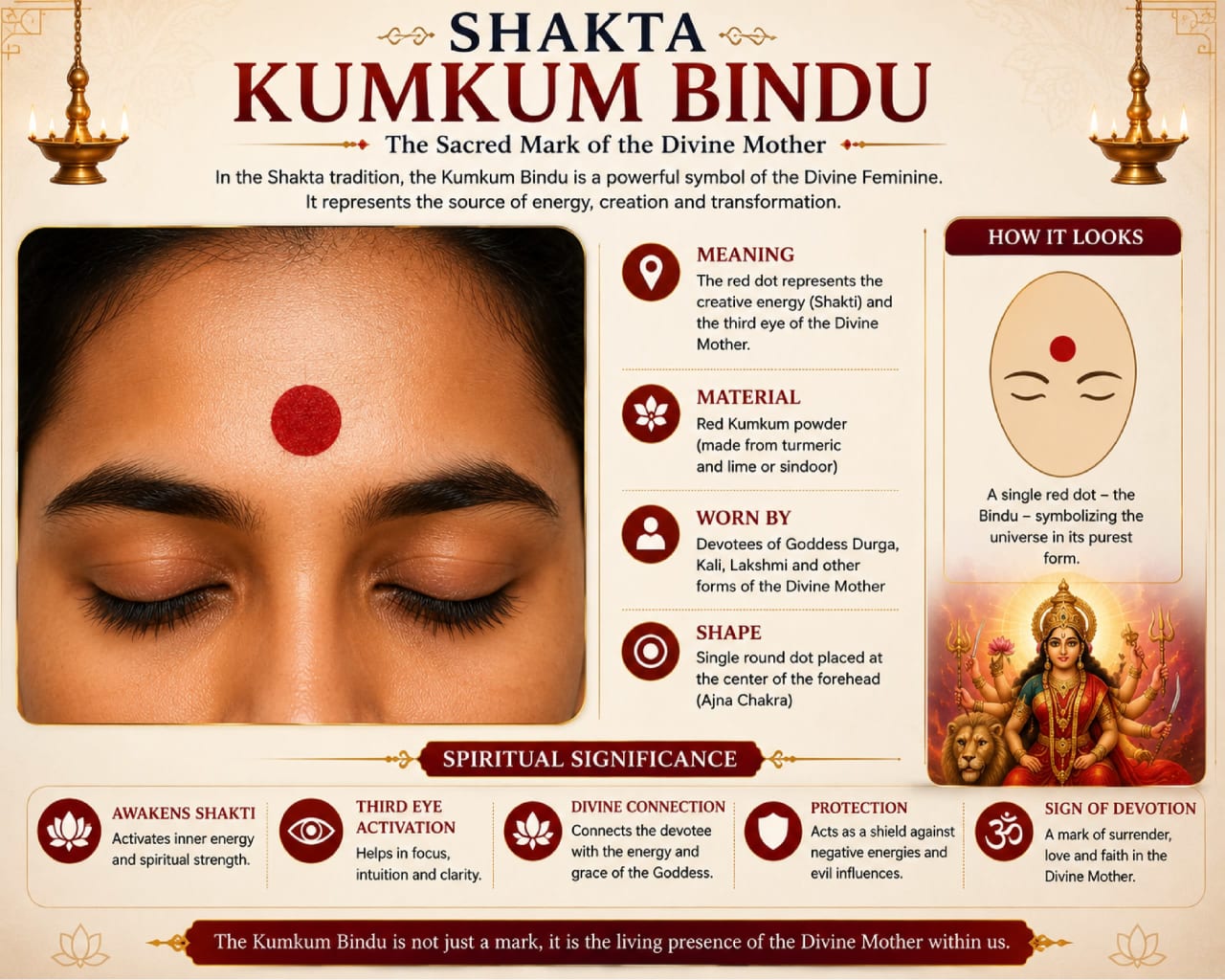
Each major tradition has its own style: tripundra for Shaivites, urdhva pundra for Vaishnavites, a kumkum bindu for Shaktas, and a combination for the Smarta tradition
Materials are chosen deliberately, from cooling vibhuti and sandalwood to the warm, auspicious red of kumkum
Sindoor is a separate practice, worn in the hair parting by married women rather than on the forehead
Temples offer tilak as prasad to every visitor after darshan, regardless of sect or background
The popular pineal-gland explanation is a modern symbolic association, not a claim found in classical texts
Why the Tilak Still Matters Today
In a world of quick mornings and busy schedules, the tilak remains one of the few rituals that Hindus across every region, language and generation still recognise on sight. It is not decoration. It is a daily, physical reminder of a spiritual intention, that the person wearing it is stepping into the day, or into worship, with awareness rather than distraction.
For many families, applying tilak is the first devotional act of the morning, done right after a bath and before stepping out of the house. For others it appears only during puja, festivals or family ceremonies such as weddings and thread ceremonies. Both approaches are valid; the frequency is shaped by family tradition, sect and personal practice rather than a fixed rule.
It marks the wearer as someone who has completed a ritual bath and worship (snana and puja)
It signals sect and lineage, since a trained eye can often tell which deity a person worships from the mark alone
It is believed to calm the mind and sharpen focus before prayer, study or important undertakings
For married women, kumkum additionally marks marital status and is treated as a symbol of auspiciousness (saubhagya)
Where the Tradition Comes From
References to forehead marks appear across the Vedas, Puranas and later Agama and Tantra texts, though the exact style described has evolved over centuries. Early Vedic ritual used ash (bhasma) from the sacrificial fire as a mark of having completed a yajna. Over time, as the Shaiva, Vaishnava and Shakta traditions developed their own theology and iconography, each grew a distinct forehead mark to visibly express its philosophy.
Scriptural interpretation varies by region and lineage, and different schools sometimes explain the same mark differently. What stays consistent is the underlying idea across nearly all schools of thought: the forehead, at the point between the eyebrows, is treated as spiritually significant, and covering or touching it with a sanctified material is an act of remembrance and protection. The tilak sits within a much larger visual vocabulary, explored in our guide to Hindu symbols and their deep meanings.
The Ajna Chakra: Where Tilak Meets Subtle-Body Science
The exact spot where tilak is applied has a name in the yogic system: the Ajna Chakra, often translated as the "command centre" or the "third eye." It is the sixth of the seven major chakras described in classical yoga and Tantra, positioned at the point between the eyebrows, just above the bridge of the nose.
Traditional texts describe this point as the meeting place of ida, pingala and sushumna, the three primary nadis or subtle energy channels in the body. Some yogic sources go further and describe as many as fourteen nadis converging here. Whether taken literally or symbolically, the underlying idea is the same: this point is treated as a junction of awareness, where mental focus naturally gathers.
Why This Point Specifically
Ayurveda and yoga both treat the space between the eyebrows as a pressure-sensitive point connected to mental alertness. Applying tilak here does two things at once: the gentle pressure of the finger or thumb is believed to have a calming, centring effect, and cooling materials like sandalwood paste are traditionally used to soothe this area, especially in warmer climates.
Some modern wellness writers connect this to the pineal gland, a small gland located deep in the brain that regulates sleep-wake cycles through melatonin. This is a popular explanation, but it is worth being clear that this is a modern, symbolic association rather than an established scientific finding, and different sources describe the connection differently. The core value of the ritual does not depend on this comparison; it stands on its own as a centuries-old contemplative practice.
Did you know?Ajna literally means "command" or "to perceive" in Sanskrit, reflecting its role as the seat of inner command and clarity. In classical yoga the Ajna Chakra is often depicted with two petals, symbolising the balance of ida and pingala, the two main energy channels, and many teachers describe this point as where the individual mind is said to align most closely with universal awareness during meditation.
Sect-Wise Tilak Styles: What Each Mark Means
Hindu philosophy is not a single school of thought. It holds several major devotional traditions, each with its own chosen form of the Divine, and the tilak is one of the clearest ways these traditions express themselves visually. Below is a comparison of the four most recognised styles.
Sect
Style Name
Material
Core Meaning
Shaivite
Tripundra
Vibhuti (sacred ash)
Three horizontal lines representing the destruction of ego, karma and illusion
Vaishnavite
Urdhva Pundra
Sandalwood / gopichandana
Upward U or Y-shape representing the feet of Lord Vishnu
Shakta
Kumkum Bindu
Red kumkum powder
Single dot representing the creative power of the Divine Mother
Smarta
Tripundra + Bindu
Ash with a kumkum dot
Honours all major deities together as expressions of one Brahman
Shaivite Tripundra
Devotees of Shiva apply three horizontal lines of vibhuti across the forehead, sometimes with a red dot at the centre. Each line is traditionally associated with overcoming one of three impurities described in Shaiva philosophy: anava (ego), karma (the weight of past action) and maya (illusion). The ash itself is significant, a reminder that the body eventually returns to dust, encouraging humility and detachment. To understand the deity behind this mark, see our guide on who is Lord Shiva.
Vaishnavite Urdhva Pundra
Devotees of Vishnu, including followers of Rama and Krishna, wear a U or Y-shaped mark made from sandalwood paste or gopichandana clay, usually with a central line of red or yellow. This shape is described as representing the feet of Vishnu, an image of surrender and shelter at the feet of the Divine. Regional variations exist, and the exact curve and width differ between the Sri Vaishnava, Madhva and Gaudiya traditions.
Shakta Kumkum Bindu
Followers of the Goddess in her many forms, Durga, Kali, Lakshmi and Saraswati, favour a single round dot of kumkum. This is the style most people picture when they hear the word "tilak" in everyday conversation, since it is also the form most commonly worn as a general mark of blessing after temple visits, regardless of sect. Our guide on Goddess Durga, the Divine Mother explores the tradition behind it.
Smarta Tradition
Followers of the Smarta tradition, associated with the teachings of Adi Shankaracharya, often combine ash lines with a central kumkum dot, reflecting a philosophy that honours multiple deities as manifestations of one ultimate reality (Brahman).
Tilak vs Kumkum vs Sindoor vs Bindi: What Is the Difference?
These four words are often used loosely in conversation, which causes confusion. They overlap, but each has a distinct traditional meaning and use.
Term
What It Is
Who Wears It
When
Tilak / Tika
General term for any sacred forehead mark, in any material or shape
Men, women and children of any sect
During worship, ceremonies or daily practice
Kumkum
A specific red powder, traditionally made from turmeric treated with lime
Commonly worn by women; also applied to all devotees after puja
Daily by married women; after temple darshan for everyone
Sindoor
A red or vermilion powder applied along the hair parting (maang)
Married Hindu women only
Daily, as a symbol of marital status
Bindi
A decorative dot, often self-adhesive, that may or may not carry religious meaning
Women and girls, married or unmarried
Daily wear, fashion or festive occasions
In short: tilak is the umbrella term for the ritual mark itself, kumkum is a specific material used to make that mark, sindoor is a related but separate practice worn in the hair parting rather than the forehead, and bindi has both religious and purely decorative uses in modern India. It is common, and correct, for a married woman to wear kumkum on the forehead and sindoor in the parting on the same day.
The Materials: What Tilak Is Actually Made Of
The substance used for tilak is never chosen at random. Each material carries its own symbolism, cooling or warming property, and connection to a particular deity or occasion.
Material
Colour
Associated With
Traditional Property
Vibhuti (sacred ash)
White / grey
Lord Shiva
Cooling; symbol of detachment and impermanence
Chandan (sandalwood paste)
Pale yellow / cream
Lord Vishnu, Krishna
Cooling; calms the mind, pleasant fragrance
Kumkum
Red / maroon
The Divine Mother, married women
Auspicious; symbol of energy and marital status
Sindoor (vermilion)
Bright red / orange-red
Married women (hair parting)
Auspicious; traditionally linked to the longevity of the husband
Haldi (turmeric)
Yellow
General worship, festivals
Purifying; antiseptic properties in Ayurveda
Gopichandana clay
Pale grey-white
Vaishnava traditions, especially Gaudiya
Sourced from sacred sites; used for urdhva pundra
Notice that the cooling materials, ash and sandalwood, are traditionally associated with Shiva and Vishnu devotion, both of which emphasise meditation and inward focus. The warmer, energising red of kumkum and sindoor is linked to the Goddess and to auspiciousness in general. This pattern is not universal across every text, but it is a helpful way to remember why the colours differ. For more on the turmeric at the base of kumkum, see our guide to turmeric (haldi): ancient wisdom, modern science, and for how Ayurvedic thinking shapes daily Hindu practice, our guide to Dinacharya, the Ayurvedic daily routine.
How Tilak Is Traditionally Applied
While styles differ by sect, the general method of application follows a similar respectful sequence in most households and temples.
Wash your hands and, ideally, complete your bath or at least wash your face before applying tilak
Take a small amount of the chosen material, kumkum, chandan or vibhuti, on the ring finger or middle finger
Apply with a light, steady pressure at the centre of the forehead, between the eyebrows
For sect-specific marks such as tripundra or urdhva pundra, draw the lines from the centre outward or as guided by family tradition
Some families recite a short prayer or the name of their chosen deity while applying the mark
At temples, tilak is often given by the priest (pujari) as prasad after darshan, applied with the thumb along with a few grains of rice
There is no single "correct" ritual sequence across all of India. The steps above describe common practice, and your family or regional tradition may differ slightly. What matters most is the intention behind the act. If you would like a fuller walkthrough of daily worship at home, our guide on how to do daily puja at home covers the complete process step by step.
When Tilak Is Worn: Daily Life, Festivals and Ceremonies
Daily practice. In many traditional households, tilak is applied every morning after bathing, before the first meal, and before leaving for work, school or any important task. It is treated as a small but meaningful start to the day.
After temple darshan. Almost universally across India, temples offer tilak as prasad to every visitor after darshan, regardless of the visitor's personal sect. This is one of the few moments where the mark is given rather than self-applied, and accepting it is considered a mark of respect toward the deity and the priest. It usually follows the aarti that closes the worship.
Festivals and samskaras. During major festivals such as Diwali, Navratri and Raksha Bandhan, tilak plays a central ceremonial role, for example a sister applying tilak to her brother's forehead during Bhai Dooj, or an elder blessing a younger family member before an exam or journey. Tilak also appears in most of the sixteen traditional life-cycle ceremonies, described in our guides to the 16 samskaras, Hindu marriage traditions and the thread ceremony (upanayana).
Regional Variations Across India
As with most living traditions, tilak style shifts as you travel across India. These regional differences are worth knowing, especially if you are attending a wedding, festival or temple visit outside your own home region.
South India: Vaishnava communities in Tamil Nadu, Andhra Pradesh and Karnataka often wear a more elaborate, sharply defined urdhva pundra, sometimes extending further up the forehead
Maharashtra and Gujarat: A round kumkum tilak combined with rice grains (akshata) is common after temple visits and family blessings
Bengal: Sindoor plays an especially prominent ceremonial role, most visibly during Durga Puja's sindoor khela, where married women apply sindoor to each other
North India: A simple round or elongated kumkum or chandan tilak is common for daily wear, often applied with rice
Kashmir and the Himalayan belt: Saffron-based tilak is traditional in some communities, reflecting the region's saffron cultivation
These are general patterns rather than strict rules, and practice can vary from one family to the next even within the same city.
Is There a Practical Side to This Ritual?
Beyond the symbolic and spiritual layers, some practical reasoning is often cited for the tradition. Sandalwood paste has a natural cooling effect on the skin, which would have been genuinely useful in India's hot climate before the tilak took on deeper devotional meaning. Turmeric, used in some tilak preparations, has recognised antiseptic properties in Ayurveda. None of this diminishes the spiritual purpose; the two explanations are usually understood as complementary rather than competing.
Our detailed guide on the science behind Hindu rituals explores this practical-and-spiritual balance across several everyday practices, not just tilak.
Editor's note: Tilak customs vary across regions, sampradayas and individual family traditions. This article covers commonly followed practices. For marks specific to your family tradition, lineage or guru, please consult a local priest or your family's spiritual guide.
Frequently Asked Questions
What is the difference between tilak and kumkum? Tilak is the general term for any sacred forehead mark, applied in ash, sandalwood or other materials. Kumkum is one specific red powder commonly used to make that mark, especially among women and Shakta devotees.
Can anyone apply tilak, or only priests? Anyone can apply tilak to themselves as part of personal daily worship. It is only given by a priest specifically as temple prasad after darshan, which is a separate, additional tradition.
Why do married women wear kumkum and sindoor daily? Both are traditionally treated as symbols of marital status and auspiciousness (saubhagya), worn as a daily expression of the wish for the husband's long life and the family's wellbeing. Practices around this vary by region and personal choice today.
Is it necessary to remove tilak before sleeping? There is no single scriptural rule on this. Many people wash it off naturally during their evening routine, while others let it fade on its own. Family and regional custom generally decide this.
Does the tilak have any connection to the pineal gland? Some modern wellness writers draw a symbolic comparison between the Ajna Chakra point and the pineal gland's location in the brain. This is a popular modern interpretation rather than a claim found in classical texts, and it should be understood as symbolic rather than medical.
Can non-Hindus wear tilak at a temple? Yes. Temple priests commonly offer tilak as prasad to all visitors after darshan, regardless of their background, as a gesture of blessing.
Which finger should be used to apply tilak? The ring finger is most commonly recommended for a gentle, calming application, and the thumb is often used when applying tilak to someone else, such as a priest blessing a devotee. Family traditions vary.
Bringing the Practice Into Your Own Life
The tilak is a small mark with a large history behind it. Whether you wear the tripundra of a Shiva devotee, the urdhva pundra of a Vishnu devotee, or the simple kumkum dot most familiar across India, the gesture carries the same intention: a moment of pause, a mark of remembrance, and a visible commitment to walk through the day with awareness.
You do not need to belong to any particular sect to begin the practice thoughtfully. Start simply, apply a small kumkum or chandan tilak after your morning prayers, understand which style connects to your family's chosen deity, and let the ritual grow more meaningful as your own understanding deepens. Explore more daily practices in our rituals and worship hub, or read more on the meaning behind everyday devotion in the full DevMarg blogs hub.