
Maha Shivaratri: Complete Guide to Rituals and Observances
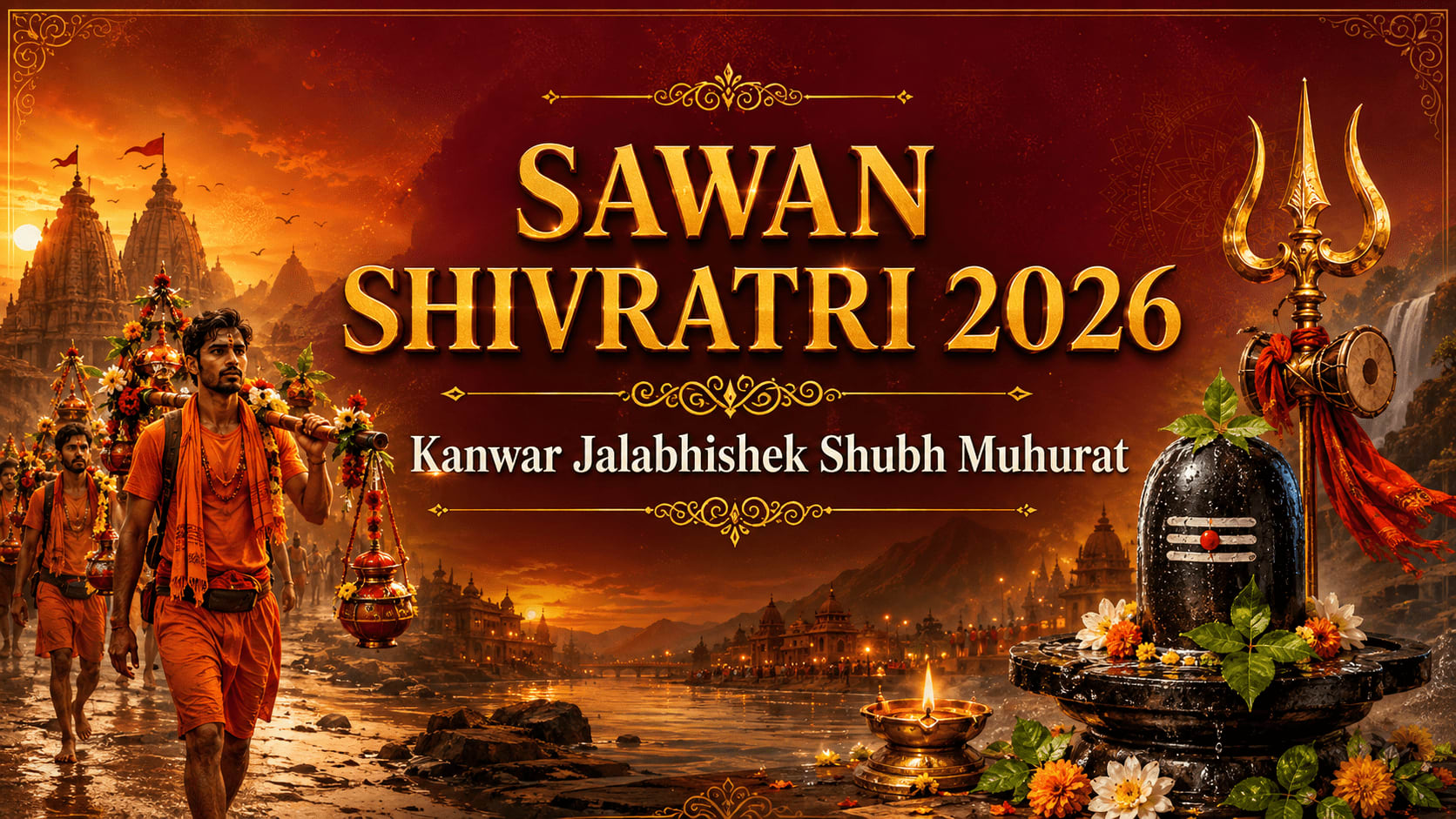
Maha Shivaratri, literally "the great night of Shiva," falls on the 14th day (Chaturdashi) of the dark fortnight (Krishna Paksha) in the month of Phalguna (February-March). It is considered the most sacred night dedicated to Lord Shiva, commemorating multiple divine events - the night when Shiva performed the cosmic dance of creation (Tandava), the night of his marriage to Goddess Parvati, and in Shaiva tradition, the night when Shiva manifested as the infinite Jyotirlinga (pillar of light).
The traditional observance of Maha Shivaratri involves a strict fast and an all-night vigil (jagaran). Devotees typically consume only fruits, milk, and water throughout the day - some observe a nirjala vrat (waterless fast) for maximum spiritual benefit. The night is divided into four prahars (quarters), and a special puja is performed during each prahar. In the first prahar (6 PM to 9 PM), the Shivalinga is bathed with milk while chanting "Om Namah Shivaya." The second prahar (9 PM to midnight) involves bathing with yogurt (curd). The third prahar (midnight to 3 AM) uses ghee (clarified butter), and the fourth prahar (3 AM to 6 AM) uses honey. Each bathing is followed by adorning the linga with bilva (bael) leaves, which are considered Shiva's most beloved offering.
The significance of staying awake through the night goes beyond mere discipline. According to the Shiva Purana, concentration and meditation during these specific hours are exponentially more powerful than at other times. The cosmic alignment on this particular night is believed to create a natural upsurge of energy in the human system, making it easier for the spine to become erect and for spiritual energy (kundalini) to rise. This is why yogis consider Maha Shivaratri the most important night for meditation.