मंदिर एवं तीर्थ
Sacred temples, Jyotirlingas, Char Dham, pilgrimage traditions and temple architecture
Not every sacred temple is on the usual tourist trail. Discover hidden gem temples across India worth visiting.
Some Hindu temples hold global recognition for their heritage value. See the list of UNESCO-recognised Hindu temples in India.
Temple architecture follows careful spiritual reasoning. Find out why most Hindu temples face east.
The sacred water tanks beside temples carry deep meaning. Learn about temple tanks and their significance.
 Featured
The 12 Jyotirlingas are the most sacred shrines of Lord Shiva in India, where he is believed to have manifested as a fiery column of infinite light. They are: Somnath, Mallikarjuna, Mahakaleshwar, Omkareshwar, Kedarnath, Bhimashankar, Kashi Vishwanath, Trimbakeshwar, Vaidyanath, Nageshwar, Rameshwaram, and Grishneshwar. Visiting all twelve is considered one of the holiest pilgrimages.
 Featured
Several Hindu temples have been designated UNESCO World Heritage Sites for their outstanding cultural value. The Group of Monuments at Hampi includes the Virupaksha Temple from the Vijayanagara Empire. Khajuraho temples feature stunning erotic and spiritual sculptures from the Chandela dynasty. The Konark Sun Temple in Odisha is designed as a massive chariot of the Sun God with twelve stone wheels. These sites preserve India rich temple-building heritage.
 Featured
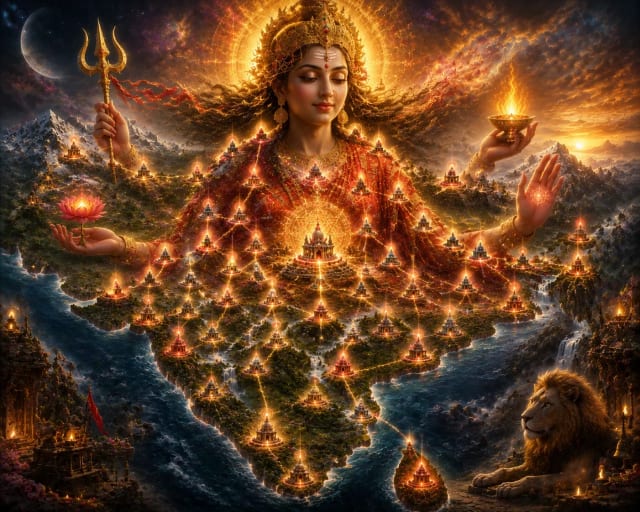
The 51 Shakti Peethas are sacred shrines of the Divine Feminine (Shakti) scattered across the Indian subcontinent. They mark the spots where body parts of Goddess Sati fell when Lord Vishnu dismembered her body to stop Shiva's destructive grief. Each peetha has a specific body part associated with it and a unique form of the Goddess.
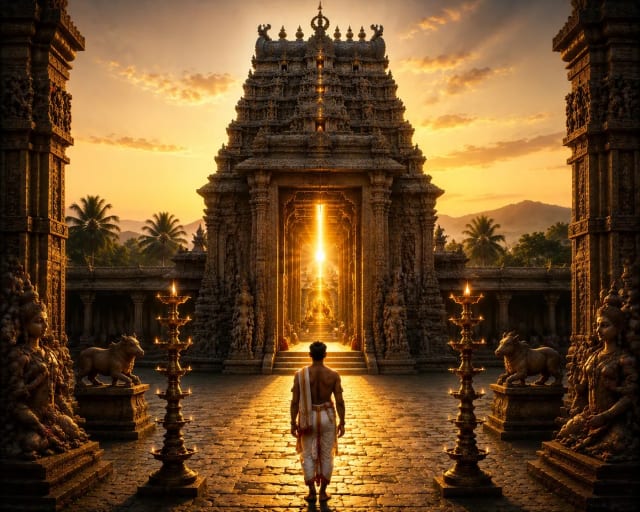
Most Hindu temples face east because the east is the direction of the rising sun, which symbolizes knowledge, new beginnings, and divine light dispelling darkness. According to Vastu Shastra, east is ruled by Indra, king of the gods, and is the most auspicious direction for worship. When devotees enter an east-facing temple, they walk toward the light. The deity inside receives the first rays of morning sun, which is considered an offering of natural light.
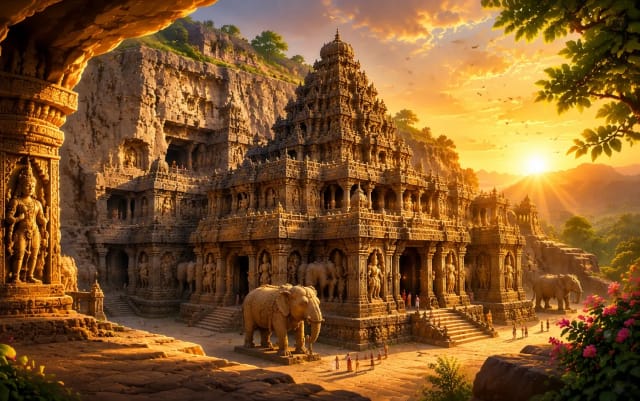
India cave temples are among the most remarkable architectural achievements in the world. These temples were carved from solid rock by ancient artisans over centuries. The Ajanta Caves contain stunning Buddhist paintings and sculptures. The Ellora Caves feature Hindu, Buddhist, and Jain temples, including the incredible Kailasa Temple carved from a single basalt cliff. The Badami Caves in Karnataka contain beautiful Hindu and Jain rock-cut temples from the 6th century Chalukya dynasty.

Kumbh Mela is the largest religious gathering on Earth, held every 12 years at four sacred river locations in India: Prayagraj, Haridwar, Nashik, and Ujjain. Tens of millions of pilgrims gather to take a sacred bath (snan) in the holy rivers, believing it cleanses sins and liberates the soul from the cycle of rebirth.
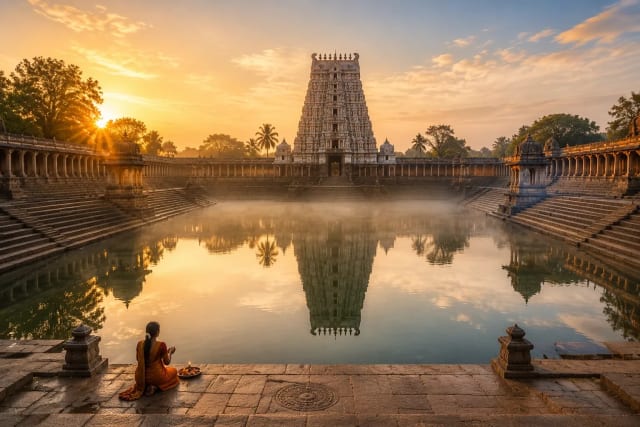
Temple tanks, called pushkarini or kalyani, are sacred water bodies found at Hindu temples across India. They serve both spiritual and practical purposes: ritual bathing before worship, water storage for the community, and as a gathering space for festivals. Famous temple tanks include the Golden Lotus Tank at Madurai Meenakshi Temple and the Suryakund at Modhera Sun Temple. These tanks were engineering marvels that combined sacred geometry with water management.
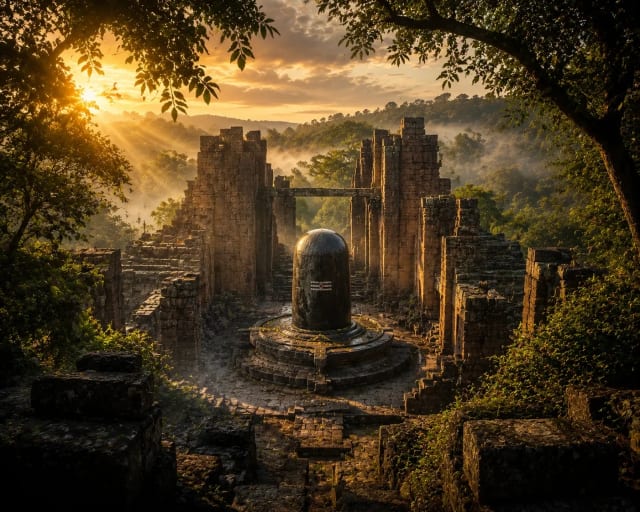
India has thousands of remarkable temples beyond the famous pilgrimage sites. The Rani Ki Vav stepwell temple in Gujarat is a UNESCO site with stunning carvings. The Lepakshi Temple in Andhra Pradesh features a famous hanging pillar. The Kiradu Temples in Rajasthan are called the Khajuraho of Rajasthan. The Bhojeshwar Temple in Madhya Pradesh has one of the largest Shiva Lingams ever carved. These hidden gems offer powerful spiritual experiences without the crowds.
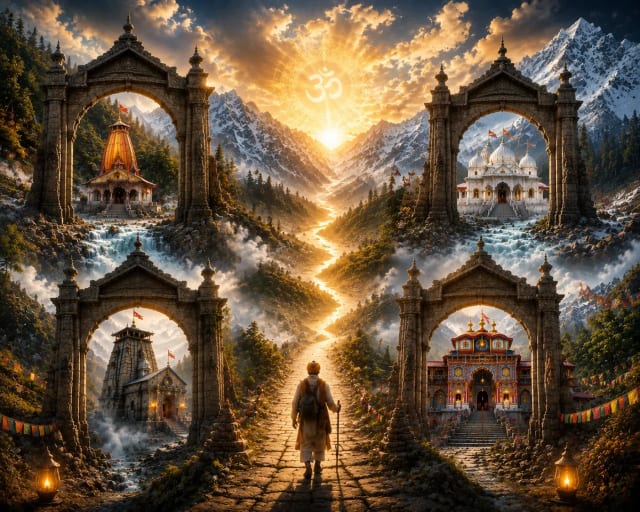
The Char Dham Yatra is the most sacred Hindu pilgrimage in the Himalayas, covering four temples: Yamunotri (source of Yamuna), Gangotri (source of Ganga), Kedarnath (Lord Shiva), and Badrinath (Lord Vishnu). The yatra is open from April-May to October-November. It requires good physical fitness, proper planning, and registration. The traditional route moves west to east starting from Yamunotri.

Hindu temple etiquette includes removing footwear before entering, wearing modest clothing that covers shoulders and knees, maintaining silence or speaking softly, walking clockwise around the sanctum (pradakshina), accepting prasad with the right hand, and showing respect to all deities and devotees. Photography rules vary by temple. Always follow local customs and temple-specific guidelines.